


Industrial Axle Weighing Scales Manufacturer: A Guide to Sourcing Precision Systems
A single overweight violation on a U.S. Interstate can result in fines exceeding $10,000 per occurrence, yet many heavy-duty operations still struggle with inconsistent load data. You likely recognize that staying within the 80,000-pound federal gross vehicle weight limit is a strict requirement for both safety and legal standing. However, when poor component quality leads to frequent scale downtime or inaccurate tandem axle readings, your operational efficiency suffers. It's frustrating to manage non-standard vehicle configurations when off-the-shelf hardware fails to meet your specific site requirements.
Choosing a specialized industrial axle weighing scales manufacturer allows you to move beyond basic hardware and invest in precision-engineered systems designed for high-capacity environments. This article provides a comprehensive framework for evaluating manufacturers based on their technical proficiency and the vertical integration of load cells. You'll learn how to achieve 100% compliance with weight regulations while reducing maintenance costs through high-durability hardware. We'll examine the specific advantages of Portable Axle Weighing Scales and Fixed Axle Weighing Scales to help you streamline vehicle throughput and protect your bottom line from avoidable penalties.
Key Takeaways
- Learn why axle-by-axle weighing increases site efficiency compared to traditional weighbridges, allowing for faster throughput and lower infrastructure costs.
- Understand the technical advantage of sourcing from an industrial axle weighing scales manufacturer that designs and produces its own load cells and indicators for maximum precision.
- Compare the operational trade-offs between Portable Axle Weighing Scales and Fixed Axle Weighing Scales to determine the best fit for your site’s volume and durability requirements.
- Discover a framework for calculating long-term ROI that prioritizes hardware durability and direct manufacturer technical support over the initial purchase price.
- Identify how specialized equipment, such as mining truck scales and aircraft scales, provides necessary precision for high-capacity and non-standard vehicle configurations.
Table of Contents
- The Strategic Importance of Selecting a Specialized Axle Scale Manufacturer
- Engineering Precision: Vertical Integration of Load Cells in Industrial Scales
- Comparing Fixed vs. Portable Axle Weighing Systems for High-Volume Sites
- Industrial Buyer’s Framework: Evaluating Manufacturer Technical Support and ROI
- HOLI Scale: Custom Industrial Weighing Solutions for Global Operations
The Strategic Importance of Selecting a Specialized Axle Scale Manufacturer
An industrial axle weighing scales manufacturer serves as a foundational link in the global supply chain. They don't just provide hardware; they deliver the technical precision required to manage massive logistical flows. Sourcing directly from the factory often eliminates the communication gaps common with third-party distributors. This direct line ensures that technical specifications are met exactly, reducing lead times for custom orders and ensuring the hardware integrates seamlessly with existing site infrastructure. For industries like mining and construction, where equipment must endure extreme stress, a manufacturer's engineering pedigree is the difference between operational uptime and costly failure.
Axle Weighing vs. Full-Length Weighbridges
A traditional Truck scale (weighbridge) requires significant physical space and a permanent concrete foundation. In contrast, axle scale installations are highly space-efficient, making them ideal for restricted sites or temporary project locations. Beyond the physical footprint, axle scales offer a cost-effective method for fleet-wide weight monitoring. Instead of weighing the entire vehicle at once, these systems capture the weight of individual axle groups. This approach is often more efficient for identifying uneven load distribution, which is a primary cause of vehicle wear and road damage. While full-length bridges are standard for some high-volume ports, axle-by-axle weighing provides the flexibility and mobility that modern logistics hubs require.
Compliance and Regulatory Standards
Strict adherence to weight limits isn't optional. Regulatory bodies impose heavy penalties for overweight violations to protect public infrastructure. A specialized industrial axle weighing scales manufacturer bears the responsibility of ensuring every component meets rigorous industrial standards. Precision manufacturing prevents the data discrepancies that lead to fines. This starts with factory calibration and testing protocols. High-quality manufacturers use controlled environments to test load cells and indicators before they ever reach the field. This rigorous process ensures that the system provides 100% compliance with local and international weight regulations, acting as a safeguard for your operational budget. Reliable data isn't just a convenience; it's a legal necessity.
Engineering Precision: Vertical Integration of Load Cells in Industrial Scales
The load cell is the core component of every weighing system. It acts as a transducer, converting mechanical force into a measurable electrical signal. When an industrial axle weighing scales manufacturer controls the design and production of these sensors, they eliminate dependencies on third-party tolerances. This vertical integration ensures that the performance profile of the load cell matches the structural requirements of the scale platform perfectly. By managing the entire engineering stack, a manufacturer can optimize the interaction between the physical hardware and the digital processing units.
Material selection dictates the hardware's lifespan in harsh environments. Stainless steel is the preferred choice for mining and chemical applications due to its superior corrosion resistance. Alloy steel remains a viable, high-strength option for controlled warehouse settings. A dedicated industrial axle weighing scales manufacturer implements rigorous quality control at every stage, from the initial machining of the load cell block to final assembly. This process involves bonding strain gauges to the metal body using specialized adhesives and curing them under precise pressure and temperature conditions. This ensures long-term stability and minimizes the risk of signal degradation over years of heavy use.
Adherence to the NIST Handbook 44 provides the technical baseline for these manufacturing processes. These standards dictate the permissible error limits and environmental performance requirements for commercial-grade weighing equipment. Compliance with these federal guidelines ensures that the precision engineered into the hardware translates to legal-for-trade accuracy in the field.
The Science of Load Cell Manufacturing
Signal integrity and signal drift are significant challenges in high-capacity axle scales. Manufacturers manage these variables through advanced compensation circuits that account for temperature fluctuations. Environmental sealing is equally critical. For industrial hardware, IP68 or IP69K ratings are necessary to protect internal electronics from moisture, dust, and pressurized washdowns. Specialized applications may require custom Load Cell configurations to accommodate non-standard vehicle footprints or extreme temperature swings found in resource extraction sites.
Indicator Technology and Data Integration
The Indicator serves as the interface between raw sensor data and the operator. Digital indicators process analog signals at high speeds, using filtering algorithms to remove "noise" caused by vehicle vibration. This ensures that the weight data remains stable even as a truck moves across the platform. Modern systems prioritize compatibility, allowing seamless data transfer to existing site management software. High-performance indicators also provide diagnostic capabilities, monitoring individual sensors to identify potential failures before they cause operational downtime.
Comparing Fixed vs. Portable Axle Weighing Systems for High-Volume Sites
Selecting the correct weighing infrastructure depends on site volume, available space, and the permanency of the operation. An experienced industrial axle weighing scales manufacturer understands that a one-size-fits-all approach is insufficient for heavy industry. Fixed systems offer unparalleled stability for permanent logistical hubs, while portable units provide the agility needed for evolving project sites. The operational trade-off centers on the balance between high-speed throughput and mobile flexibility. While fixed systems require a higher initial investment in civil engineering, they provide a more stable environment for long-term data consistency.
Durability requirements vary significantly across sectors. A Mining Truck Scale, for instance, must feature reinforced structural steel to handle gross vehicle weights that far exceed standard highway limits. These systems face extreme environmental stress from abrasive materials and heavy impact loads. In contrast, standard logistics scales prioritize high vehicle throughput at site entry and exit points. A dedicated industrial axle weighing scales manufacturer designs different platform thicknesses and reinforcement patterns to match these specific load profiles, ensuring the hardware doesn't warp or fatigue under constant use.
Fixed Axle Weighing Scale Applications
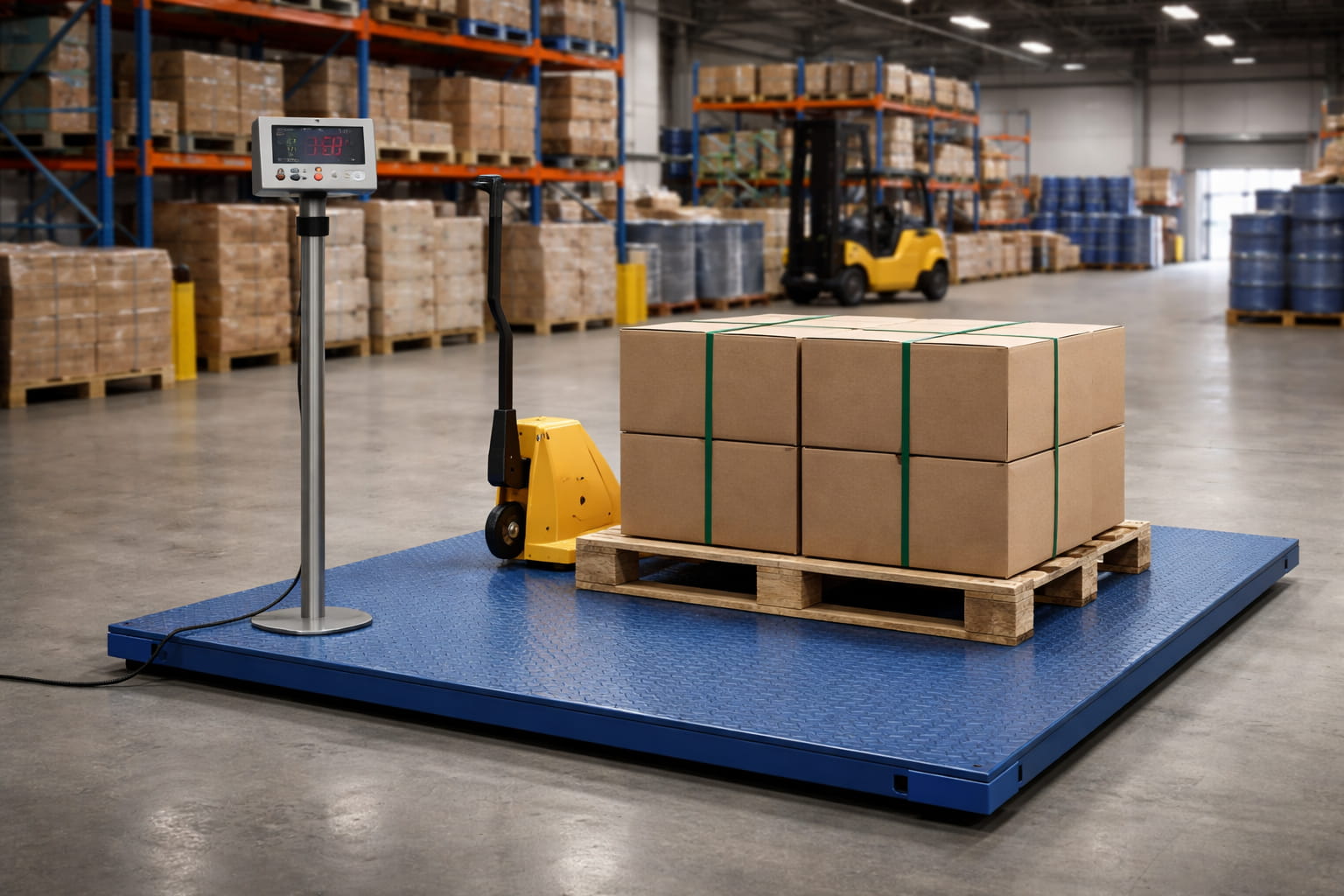
Permanent facilities with constant traffic flows benefit most from a Fixed Axle Weighing Scale. These in-ground installations allow vehicles to move across the platform smoothly, which maximizes site efficiency and reduces wait times. Above-ground fixed scales are also common, though they require approach ramps and a larger physical footprint. Maintaining these systems involves regular pit cleaning and inspections of the mounting hardware. Over the long term, the structural integrity of a fixed system provides a superior ROI for high-throughput sites by minimizing the need for frequent recalibration caused by platform shifting.
Portable Axle Weighing Scale Benefits
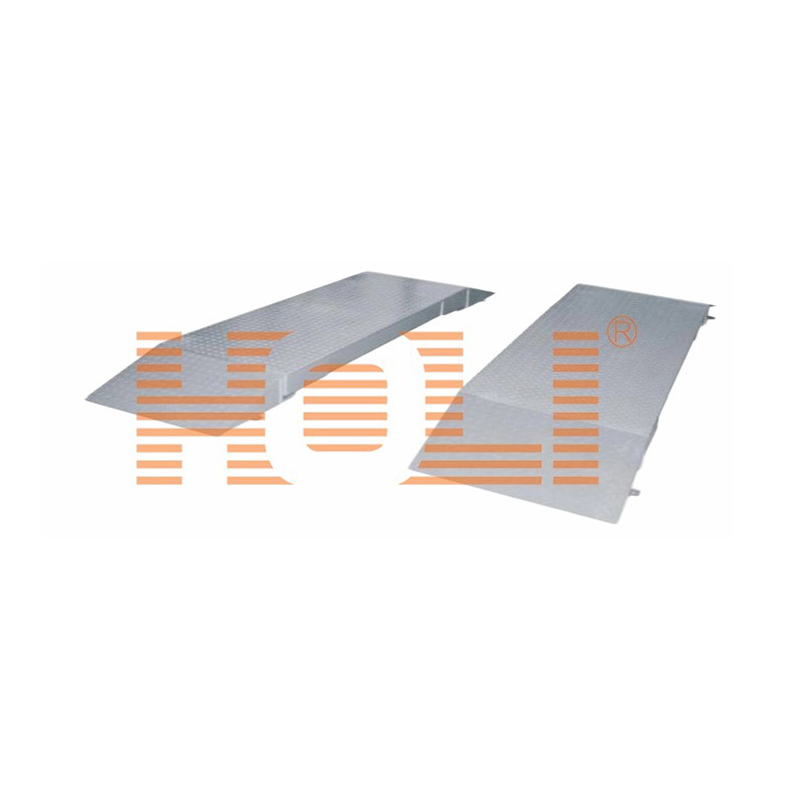
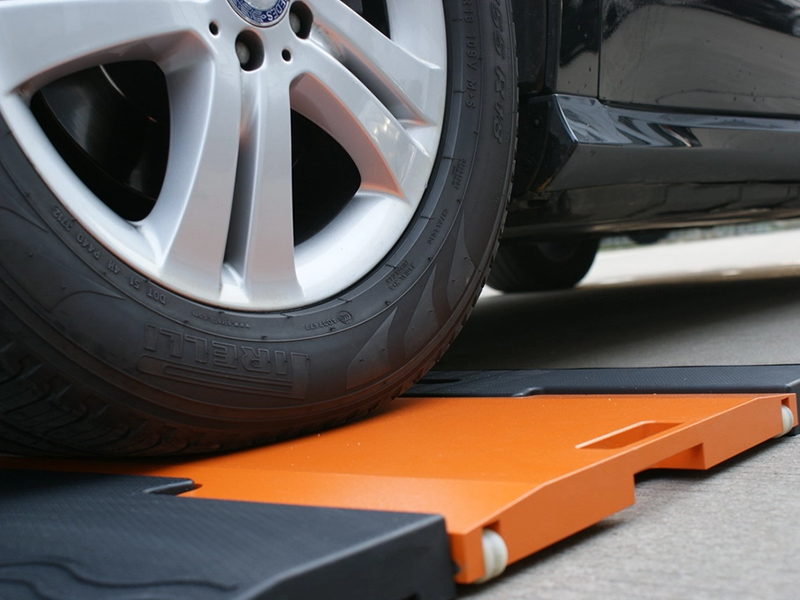
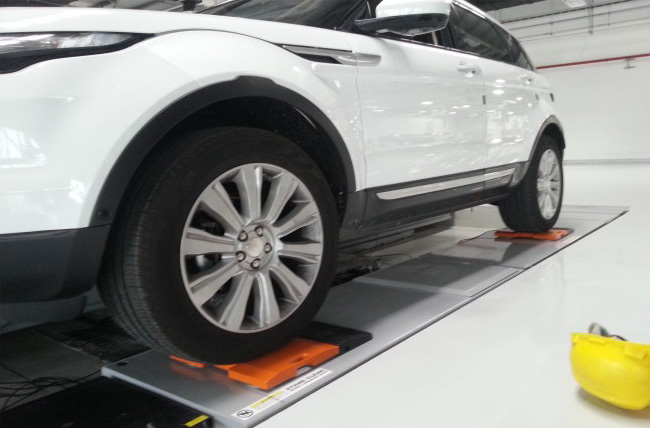
A Portable Axle Weighing Scale is the primary choice for roadside enforcement, temporary construction zones, and remote resource extraction sites. These units consist of heavy-duty pads that operators can deploy in minutes on any level, firm surface. Beyond logistics, this technology is essential for specialized sectors. For example, an Aircraft Scale often utilizes portable technology to ensure precise weight and balance measurements on a hangar floor without requiring permanent floor modifications.
Storage and transport are key considerations for portable hardware. While these systems are designed for mobility, high-capacity versions still require mechanical assistance for placement due to their heavy-duty construction. Using portable systems prevents bottlenecks at remote locations by allowing you to move weighing operations as a project progresses. It's a pragmatic solution for sites where a permanent concrete foundation isn't feasible or cost-effective.
Industrial Buyer’s Framework: Evaluating Manufacturer Technical Support and ROI
Calculating ROI for weighing systems requires looking past the initial acquisition cost. Durable hardware reduces the total cost of ownership by extending service intervals and preventing inaccurate weight readings that lead to fines. An industrial axle weighing scales manufacturer with deep engineering roots provides better long-term value than a simple reseller. Direct access to the team that designed the load cells ensures that technical issues are resolved based on the equipment's original design intent. This technical alignment is essential for maintaining precision in high-capacity environments.
Sourcing from the manufacturer also streamlines the supply chain for critical spare parts. Components like load cells and junction boxes are standard wear items in heavy-duty environments. When these parts are available directly from the source, downtime is significantly reduced. Third-party service providers often face delays in part acquisition or may supply generic components that don't match the original system's precision. Direct sourcing ensures that every replacement part maintains the structural and electrical integrity of the entire system.
Technical Support and Consultation
Free technical support is a vital resource during the procurement phase. Expert consultation helps buyers avoid common site planning errors, such as improper drainage for a Fixed Axle Weighing Scale or inadequate surface preparation for portable units. Quality manufacturers provide detailed technical documentation, including wiring diagrams and mounting specifications, which are essential for correct installation and long-term maintenance. This guidance ensures that the hardware performs according to its rated specifications from the first day of operation.
Customization and OEM Sourcing
Standard configurations don't always meet the needs of specialized sectors like resource extraction or aviation. In these cases, requesting a custom quote allows for the development of tailored hardware. For instance, a Mining Truck Scale might require specific platform dimensions to accommodate wide-track haulers. Sourcing from an industrial axle weighing scales manufacturer with OEM capabilities means you can order bulk systems for large-scale operations or individual components to maintain existing infrastructure. This flexibility allows for the integration of high-performance weighing tools into any operational workflow. If you're ready to discuss specific site requirements, you can request a custom quotation for your next project.
HOLI Scale: Custom Industrial Weighing Solutions for Global Operations
Jiangsu Hongli Weighing Equipment Co. Ltd, known globally as HOLI Scale, has operated as a dedicated manufacturer of industrial weighing hardware since 2005. The company's position as a leading industrial axle weighing scales manufacturer is built on a foundation of technical proficiency and vertically integrated production. By managing the design and assembly of load cells and indicators in-house, HOLI Scale ensures that every component functions as a cohesive unit. This level of oversight is critical for maintaining accuracy in high-capacity environments where equipment failure isn't an option. Unlike resellers, HOLI Scale maintains full control over the engineering cycle, ensuring every system adheres to strict quality benchmarks.
The product portfolio extends far beyond standard vehicle scales. HOLI Scale provides specialized hardware for a wide array of sectors, ensuring that precision is available regardless of the operational environment. This breadth of expertise allows the brand to act as a steady partner for industries ranging from resource extraction to healthcare.
Diverse Industry Expertise
- Mining and Heavy Construction: Equipment like the Mining Truck Scale is engineered for extreme durability, utilizing reinforced steel to withstand the abrasive conditions of resource extraction sites.
- Logistics and Transport: High-volume hubs utilize the Logistic Scale and Floor Scale to maintain compliance with weight regulations while maximizing throughput at entry points.
- Aviation and Specialized Weighing: The Aircraft Scale provides the precision balance required for critical flight operations, where minor discrepancies in weight data can impact safety.
- Medical and Agricultural: The range includes a Medical Scale for healthcare settings and an Animal Scale designed for the unpredictable movement of livestock, demonstrating the brand's versatile engineering capabilities.
Direct Manufacturing Advantage
Sourcing directly from the Jiangsu Hongli factory provides a distinct supply chain advantage. Buyers aren't limited to off-the-shelf systems; they can leverage HOLI Scale's OEM and customization capabilities to solve unique site challenges. This direct relationship allows for the procurement of both full systems and individual components, such as wholesale Load Cells and high-performance Indicators, for infrastructure maintenance. It's a pragmatic approach that prioritizes long-term stability.
The ability to source individual parts directly from the industrial axle weighing scales manufacturer ensures that existing systems remain operational with minimal downtime. It also allows for the development of custom configurations that standard distributors can't provide. If you're planning a new facility or upgrading an existing site, you can leverage HOLI's technical expertise by requesting a free quotation and technical consultation for your next project. This proactive approach ensures your weighing infrastructure is built for reliability and 100% regulatory compliance.
Advancing Operational Precision with Integrated Weighing Systems
Selecting the right industrial axle weighing scales manufacturer is a critical decision that impacts your site's regulatory compliance and long-term maintenance costs. Precision isn't accidental; it's the result of vertical integration and rigorous factory testing. Whether you deploy a Portable Axle Weighing Scale for remote mining projects or a Fixed Axle Weighing Scale for high-volume logistics hubs, the quality of the internal load cells determines the accuracy of your data. Reliability comes from hardware that can withstand the physical stress of heavy-duty sectors.
By sourcing directly from an established entity like HOLI Scale, you gain access to direct manufacturer pricing and specialized global technical support. Established in 2005, we provide the engineering expertise needed to develop custom configurations for non-standard vehicles and demanding environments. This approach ensures your infrastructure remains a reliable backbone for your operations rather than a source of downtime or legal penalties. We're ready to assist you in selecting the ideal system for your specific site requirements. Request a Custom Quote from HOLI Scale today to secure a precision weighing solution built for industrial performance.
Frequently Asked Questions
What is the difference between a fixed and portable axle weighing scale?
Fixed scales are permanent in-ground or above-ground installations designed for high-volume, permanent sites. A Portable Axle Weighing Scale consists of heavy-duty pads that can be deployed on any level surface for temporary projects or roadside enforcement. While fixed units offer greater stability and throughput for logistics hubs, portable systems provide the agility needed for remote mining or construction sites where a concrete foundation isn't feasible or cost-effective.
How often should industrial axle scales be calibrated for compliance?
Industrial axle scales typically require calibration every six to twelve months, though specific regulatory requirements vary by application and local standards. High-use environments or legal-for-trade applications often demand more frequent intervals to ensure 100% compliance with weight regulations. While an industrial axle weighing scales manufacturer provides the initial factory calibration, you should check with local weights and measures authorities to determine the mandatory schedule for your site.
Can an axle scale manufacturer provide custom sizes for mining trucks?
Yes, a specialized manufacturer can design and produce custom-sized platforms to accommodate the wide wheel tracks of large-scale haulers. A Mining Truck Scale requires reinforced structural steel and specific dimensions that standard highway scales don't provide. By requesting a custom quotation, you can ensure the hardware matches your fleet's footprint. This customization is essential for maintaining accuracy and structural integrity when weighing high-capacity vehicles in resource extraction environments.
What are the benefits of sourcing scales directly from a manufacturer?
Sourcing directly from an industrial axle weighing scales manufacturer like HOLI Scale provides direct pricing and access to specialized technical support. You eliminate third-party markups and gain a direct line to the engineering team that designed the load cells and indicators. This relationship simplifies the procurement of compatible spare parts and allows for OEM customization. It's a pragmatic way to ensure your weighing infrastructure meets exact site specifications without communication gaps.
What load cell types are best for heavy-duty truck scales?
Compression load cells, specifically those with stainless steel construction and hermetic sealing, are the industry standard for heavy-duty truck scales. These sensors are designed to handle massive vertical loads while resisting the lateral forces generated by vehicle movement. High-capacity systems often utilize multiple load cells connected via a junction box to a digital indicator. This configuration ensures stable weight readings and provides the durability necessary for demanding mining and logistics applications.
How do industrial axle scales handle dynamic (in-motion) weighing?
Industrial axle scales handle dynamic weighing through high-speed digital indicators and specialized filtering algorithms that process signals as the vehicle moves across the platform. This technology removes the electronic noise caused by vehicle vibration and shifting loads. While static weighing remains the gold standard for absolute precision, in-motion systems significantly increase vehicle throughput. These systems are ideal for busy site entry points where stopping every vehicle would create operational bottlenecks.
What environmental protections should I look for in an industrial scale?
Look for hardware with high Ingress Protection (IP) ratings, specifically IP68 or IP69K, to ensure the electronics are protected from moisture and dust. Heavy-duty scales should feature stainless steel load cells and hermetically sealed junction boxes to prevent corrosion in harsh industrial climates. Additionally, look for temperature compensation circuits. These features ensure the system remains accurate during extreme weather shifts and pressurized washdown procedures common in mining and food processing sectors.
How long is the typical lifespan of a high-capacity industrial axle scale?
A high-capacity industrial axle scale typically lasts between 10 and 20 years when properly maintained and operated within its rated capacity. The lifespan depends heavily on the quality of the structural steel and the environmental protections of the internal components. Regular debris removal and inspections of the mounting hardware prevent premature wear. Investing in high-durability hardware from a dedicated manufacturer reduces long-term maintenance costs and ensures the system remains a reliable operational backbone.

Latest Research
 Sep 01, 2026Industrial Axle Weighing Scales Manufacturer: A Guide to Sourcing Precision SystemsLearn why axle-by-axle weighing increases site efficiency compared to traditional weighbridges, allowing for faster throughput and lower infrastructure costs.
Understand the technical advantage of sourcing from an industrial axle weighing scales manufacturer that designs and produces its own load cells and indicators for maximum precision.
Compare the operational trade-offs between Portable Axle Weighing Scales and Fixed Axle Weighing Scales to determine the best fit for your site’s volume and durability requirements.
Discover a framework for calculating long-term ROI that prioritizes hardware durability and direct manufacturer technical support over the initial purchase price.
Identify how specialized equipment, such as mining truck scales and aircraft scales, provides necessary precision for high-capacity and non-standard vehicle configurations.Learn More →
 Jun 20, 2025American Certified Floor Scale Platform ScaleSince 2003, HOLI Scale has been a trusted name in industrial weighing solutions. Its renowned Platform Series — including platform scales, floor scales, and certified floor scale systems.
Learn More →
 Aug 17, 2024What is the Difference Between Static and Dynamic Weighing?Weighing is a fundamental process employed across numerous industries and applications to determine the mass of various objects.
Learn More →
 Aug 17, 2024How Do Axle Scales Work
Learn More →
Get In Touch